Unusual Case of Recurrent Ventricular Tachycardias in a Young Taxi Driver
Introduction: Primary cardiac tumours are very rare disease with variable clinical presentation. This is the case of a cardiac tumour with manifestation in the form of recurrent ventricular tachycardia (VT) that necessitated the use of a spectrum of therapeutic approaches.
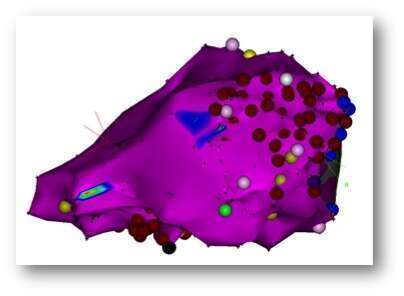
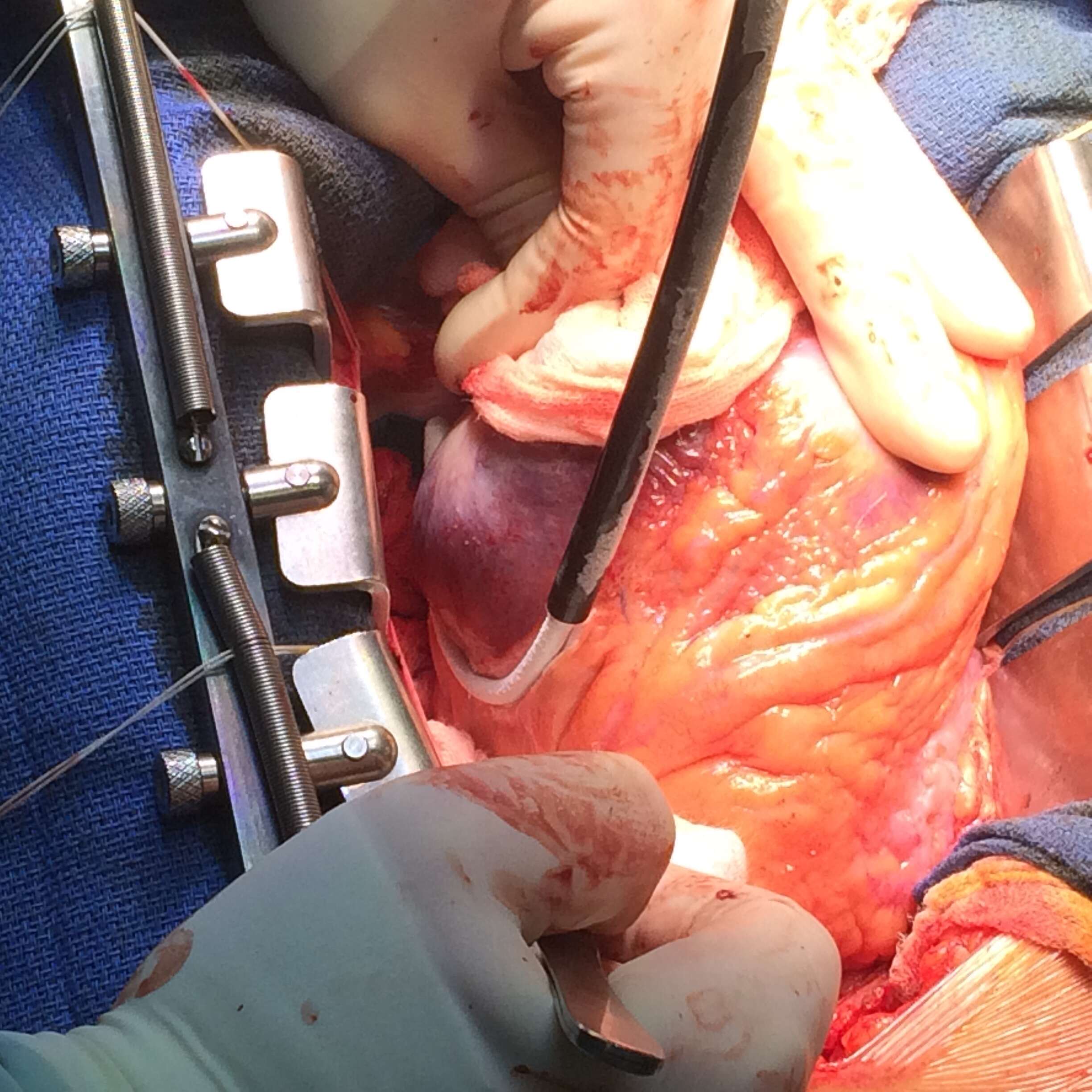
Description of the problem, procedures, techniques and/or equipment used: We present a case of 34-year-old patient. He presented with repetitive monomorphic VTs of different morphologies. A transthoracic echocardiogram showed intramyocardial mass in the inferolateral wall of left ventricule. Magnetic resonance imaging showed well demarcated, large intramyocardial tumour (60x40x25 mm). Gadolinium administration resulted in homogeneous enhancement, both in early and late phase. Selective coronary arteriography documented normal epicardial coronary arteries with tumor area vascularisation from branches LCA. After loading with amiodarone, VTs were suppressed. The patient was implanted with a single chamber implantable cardioverter-defibrillator. The patient was readmitted 4 months latter for electrical storm. The predominant rhythm was monomorphic VT of 170 bpm, without any effect on amiodarone therapy. The patient was referred to cardiac surgery. The extent of the tumour and its location only allowed a biopsies and epicardial mapping with partial cryroablation of the arrhythmia substrate. Histology revealed fibrous tissue with sporadic hypertrophic cardiomyocytes.
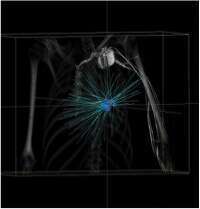
The plan was to follow the patient using repeated imaging with a possible prospect of heart transplant. However, at 6 months after the procedure, the patient presented with asymptomatic incessant VT of 2 morphologies. Endocardial and epikardial ablation was performed. To assess therapeutic potential of coiling into tumour vasculature, was performed instillation of cold saline after temporary occlusion by angioplasty balloon. No effect was noticed on occurrence of incessant VT. We consulted radiotherapeutic oncologist to performe radiosurgical therapy of the tumour using streotactic radiosurgery system. The 14 months follow-up after stereotactic radiosurgery procedure patient is without any documented VTs by ICD device interrogation.
Powered by Eventact EMS