
Electrocardiographic Characteristics of Escape Rhythm during Complete
Atrioventricular Block after Transcatheter Aortic Valve Replacement
2Cardiology, Hadassah Medical Center, Israel
3Cardiology, Sha'are Zedek Medical Center, Israel
Background
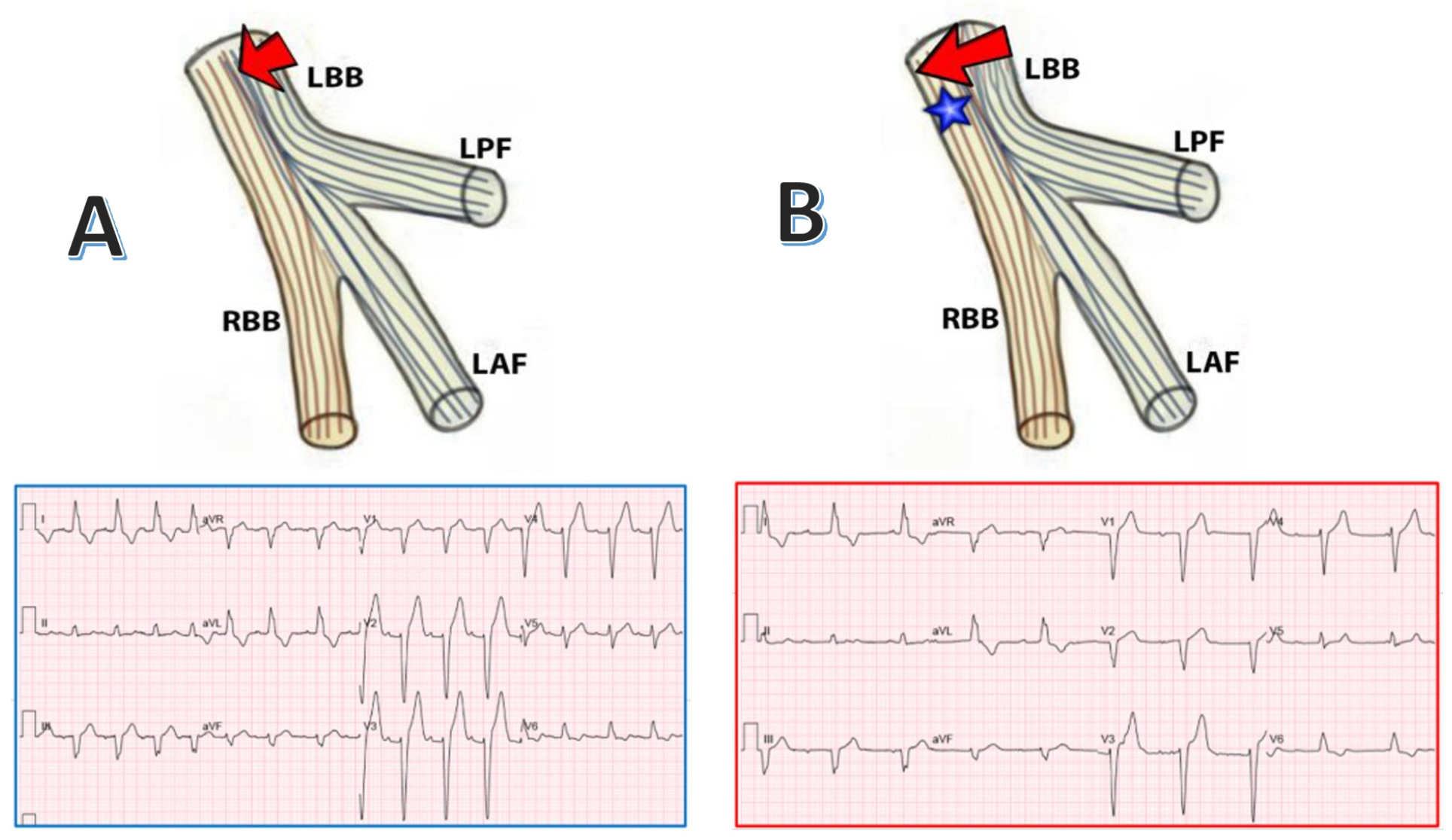
The mechanism of complete atrioventricular block (CAVB) following transcatheter aortic valve
replacement (TAVR) is predominantly attributed to compression of the penetrating portion of
the His bundle or its branching portion, and less commonly the atrioventricular (AV) node.
Objectives
To analyze the ECG characteristics of stable escape rhythms (ERs) during CAVB after TAVR.
Methods
A retrospective analysis of 12-lead ECGs obtained before TAVR (ECG 1), after TAVR but before
CAVB (ECG 2) and during CAVB (ECG 3). ERs in ECG 3 were classified as having AV junctional origin
if escape rate was 40-60/min and as compared with ECG 2, QRS morphology was similar in
≥10/12 leads, QRS duration differed by ≤10msec, and frontal QRS axis differed by ≤30°, or as a
ventricular origin if different.
Results
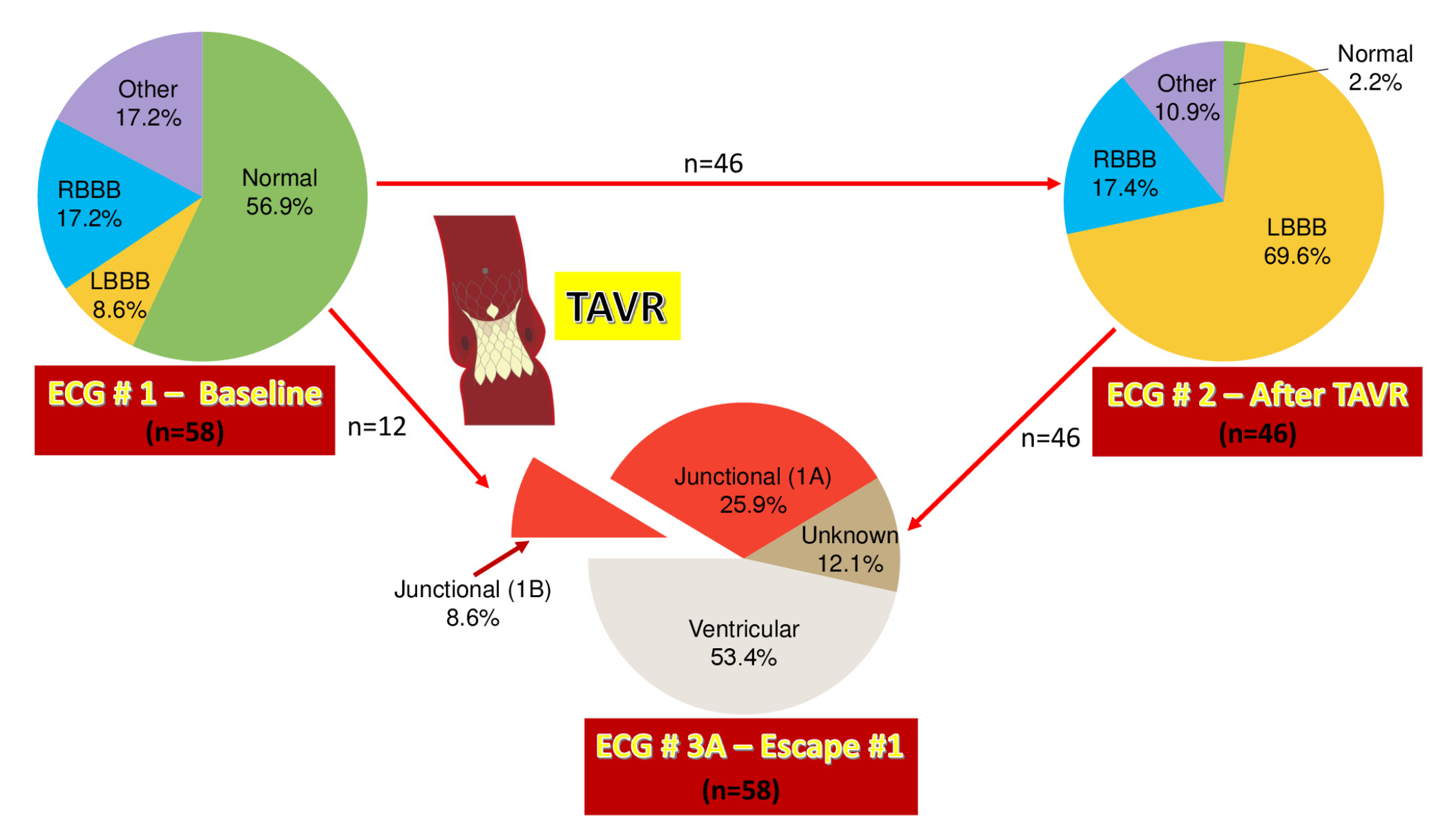
Of a total of 58 patients included in the study, 57% had no conduction disturbances on baseline
ECG1. After TAVR (ECG 2), left or right bundle branch block (BBB) was observed in 70% and 17%
of patients, respectively. ECG 3 showed an ER presumed to have an AV junctional origin and a
ventricular origin in 33% and 67% of patients, respectively.
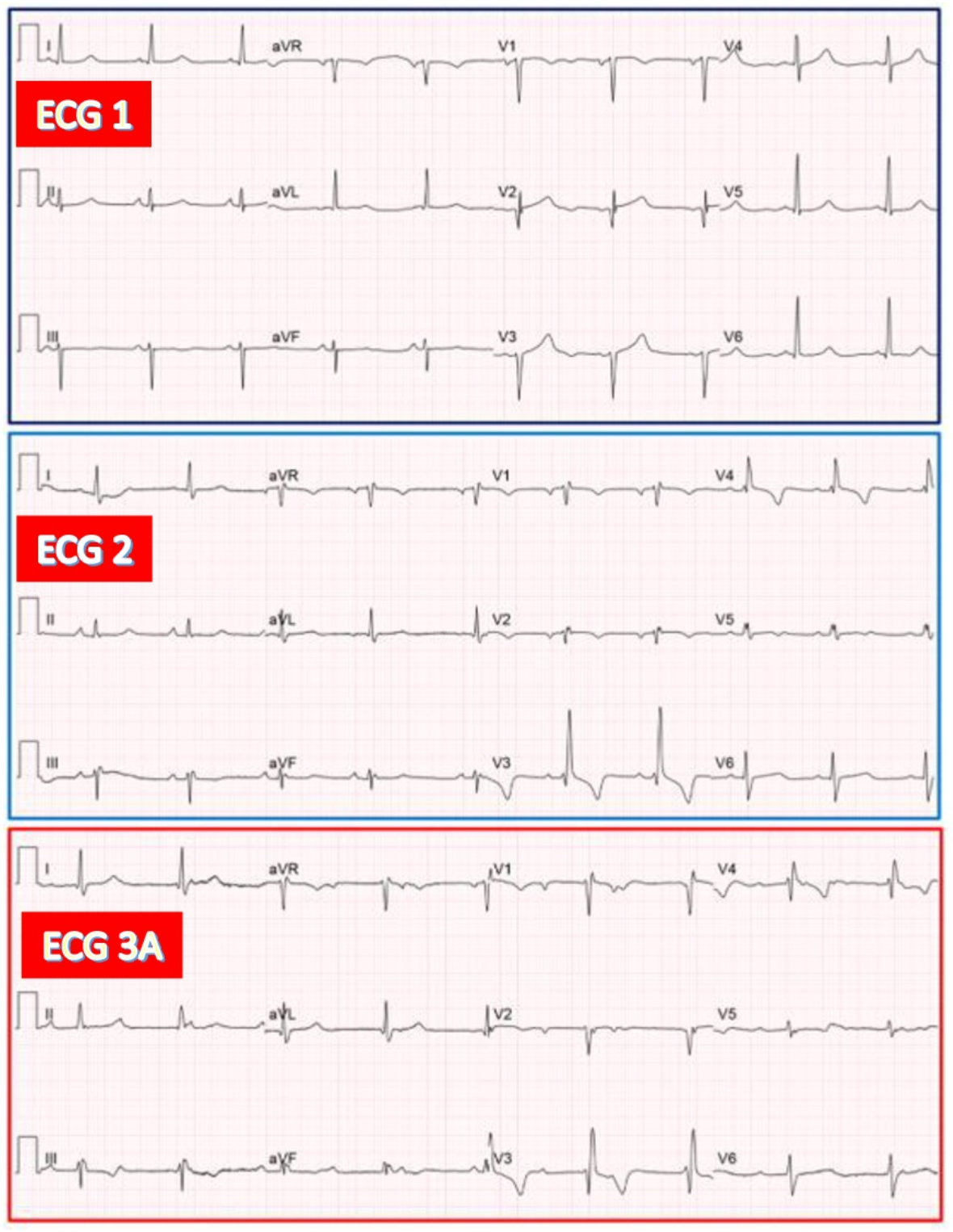
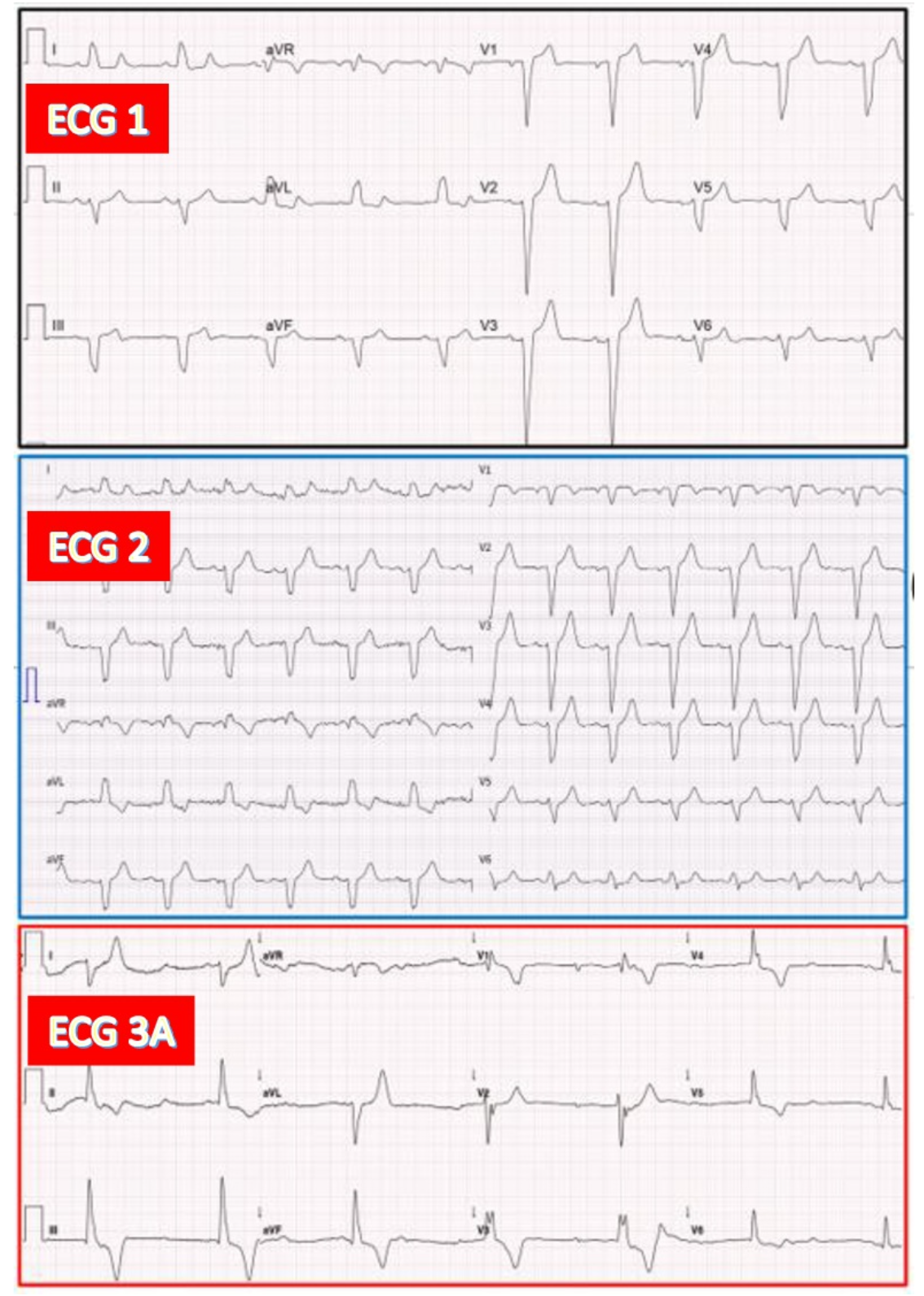
Of patients with an AV junctional ER, a BBB and a narrow QRS were observed in 79.2% and in 21.9% of patients, respectively.
Conclusions
In agreement with the anatomic zones usually insulted by the prosthetic aortic valve during
TAVR, a significant proportion of patients exhibited an ER presumably originating from the AV
junctional area, with some likely involving the His bundle.
israelheart@ortra.com מייל לשאלות
