
Incidental Arterial Calcification Outcomes in Young Adults. A retrospective study
2Deparment of Inter Medicine A, Lady Davis Carmel Medical Center, Israel
3Faculty of Medicine, Technion, Israel Institute of Medicine, Haifa, Israel, Israel
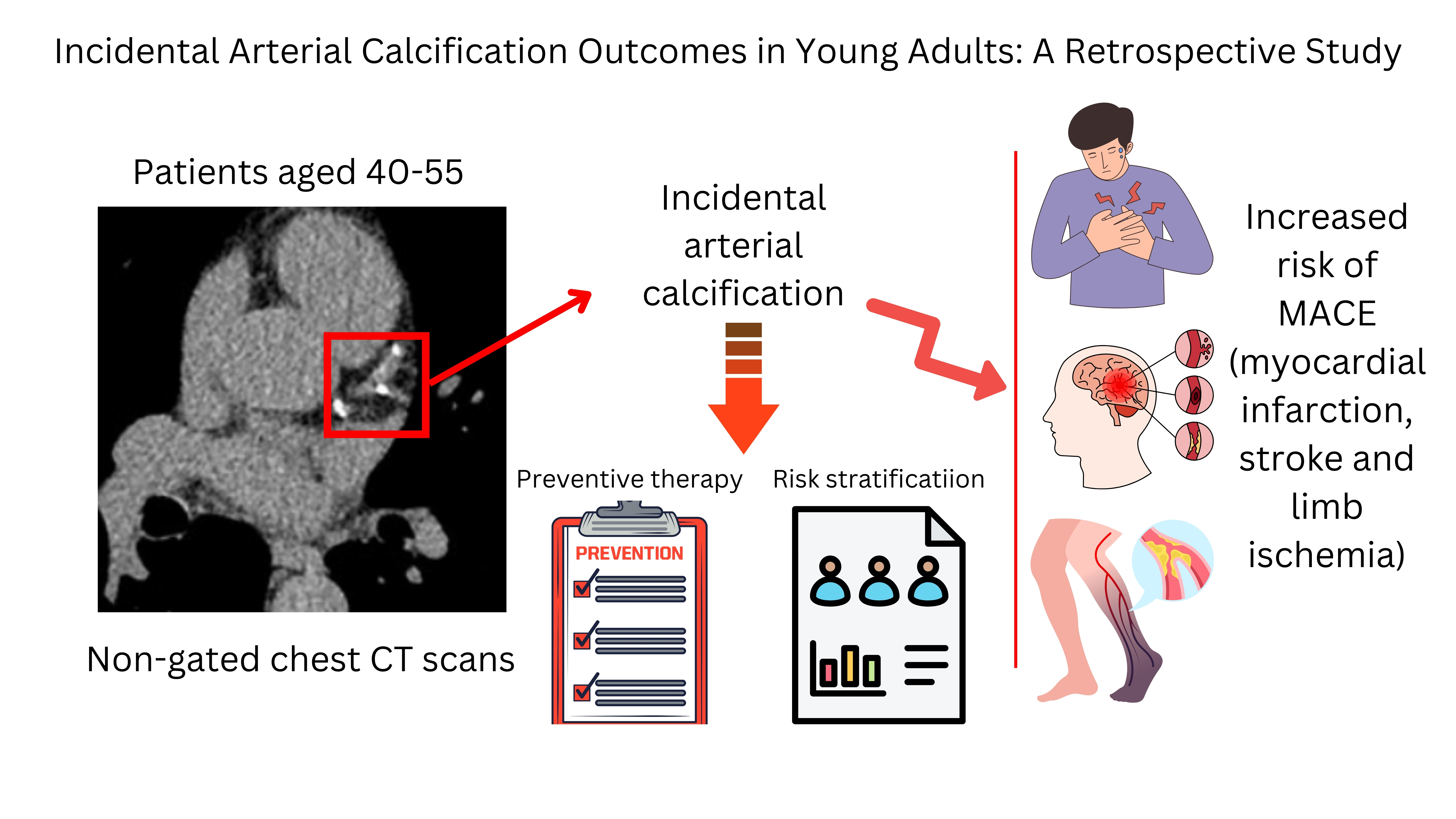
Background: Atherosclerosis plays a critical role in cardiovascular morbidity. The detection of arterial calcifications (AC) in the coronary and aortic arteries through chest computed tomography (CT) scans may serve as a cardiovascular risk modifier. This study aims to investigate the association between AC and cardiovascular events.
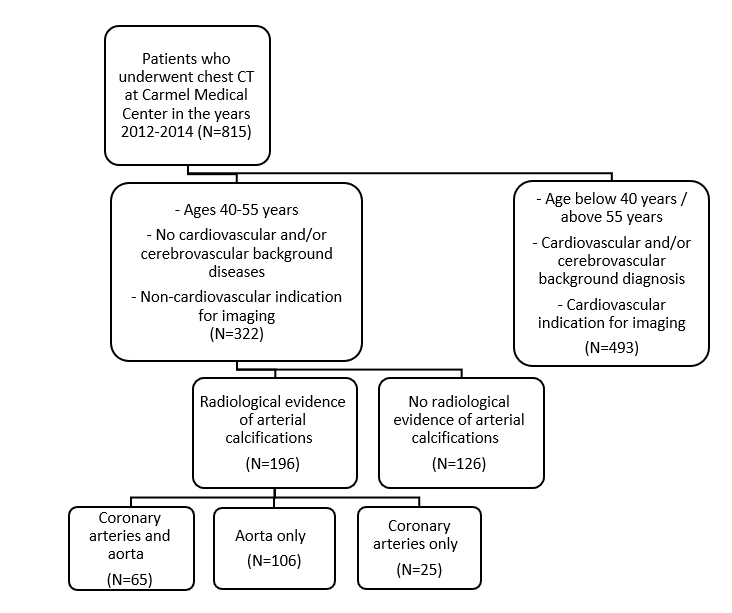
Materials and Methods: This retrospective observational study analyzed patients aged 40 to 55 years who underwent CT scans at the Carmel Medical Center for non-ASCVD indications between 2012 and 2014. Participants were followed for up to 10 years. Each CT scan was manually assessed for AC in both the aorta and coronary arteries. The relationship between AC and major adverse cardiovascular events (MACE)—defined as myocardial infarction (MI), ischemic stroke, limb ischemia, and all-cause mortality—was examined.
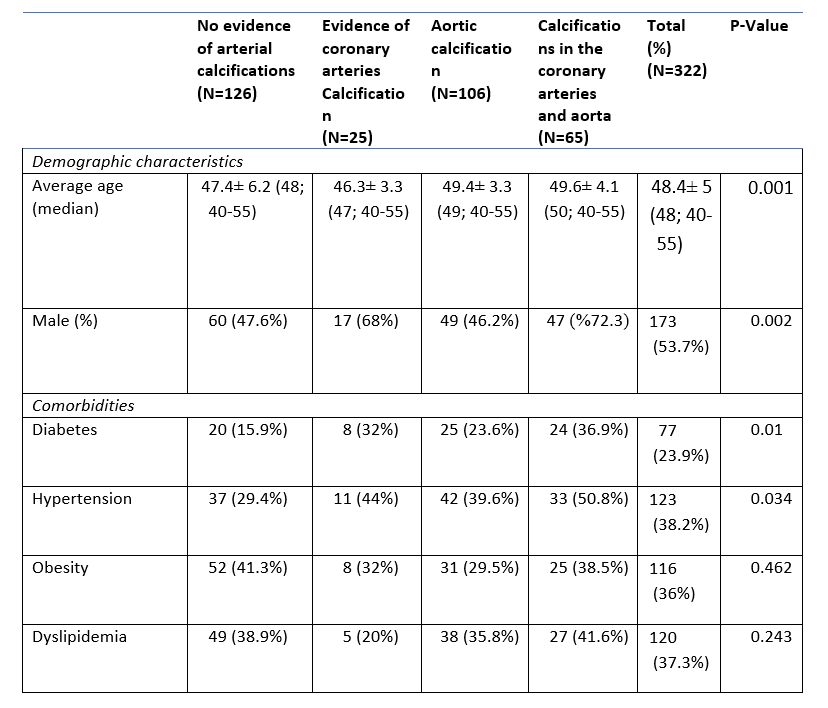
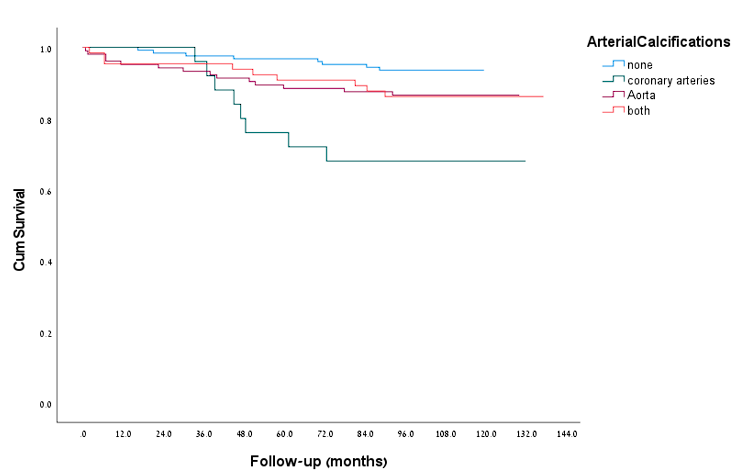
Results: A total of 322 patients met the inclusion criteria, with 196 patients (60.9%) exhibiting AC, a higher prevalence noted among men (68%, n=17) and those with comorbid conditions. During follow-up, 42 patients (13%) experienced MACE, with the highest incidence in men (hazard ratio [HR] = 2.42, 95% confidence interval [CI] = 1.15-5.07, p=0.019) and individuals with coronary artery AC (HR = 5.7, CI = 1.99-15.1, p < 0.001). The survival rate over follow-up period was 90.6%. No significant association was detected between AC presence and overall mortality.
Conclusions: AC is associated with an increased burden of cardiovascular events and may serve as an effective indicator for early identification of patients at increased cardiovascular risk, underscoring the need for enhanced attention in risk assessment protocols.
Keywords: Arterial Calcification, Computed Tomography, Major Adverse Cardiovascular Events
israelheart@ortra.com מייל לשאלות
