
Long-term performance of LAAC: Watchman vs. Amplatzer platforms – analysis from the LEADER registry
2Faculty of Medicine, Tel Aviv University, Israel
3Cardiology, Sheba Medical Center, Israel
4Cardiology, Sourasky Medical Center, Israel
5Cardiology, Meir Medical Center, Israel
6Faculty of Medicine, Ariel University, Israel
Background: Left atrial appendage closure (LAAC) has emerged as an alternative to anticoagulation in patients with atrial fibrillation (AF) who are at increased risk of cardioembolic stroke. Long term outcomes are still accumulating. We herein present an Israeli multicenter experience of LAAC with multiple platforms and long-term follow-up.
Methods: Consecutive patients who underwent LAAC in four medical centers in Israel between 2010 and 2023 were included. The primary efficacy outcome was the composite of ischemic stroke and systemic embolism at 1 year. The primary safety outcome was the composite of all-cause mortality, procedural complications and major bleeding at 1 year. The performance of the two available platforms – WM (WATCHMAN, Boston Scientific, Natick) and AA (Amplatzer Amulet, Abbott, Abbott Park) was compared.
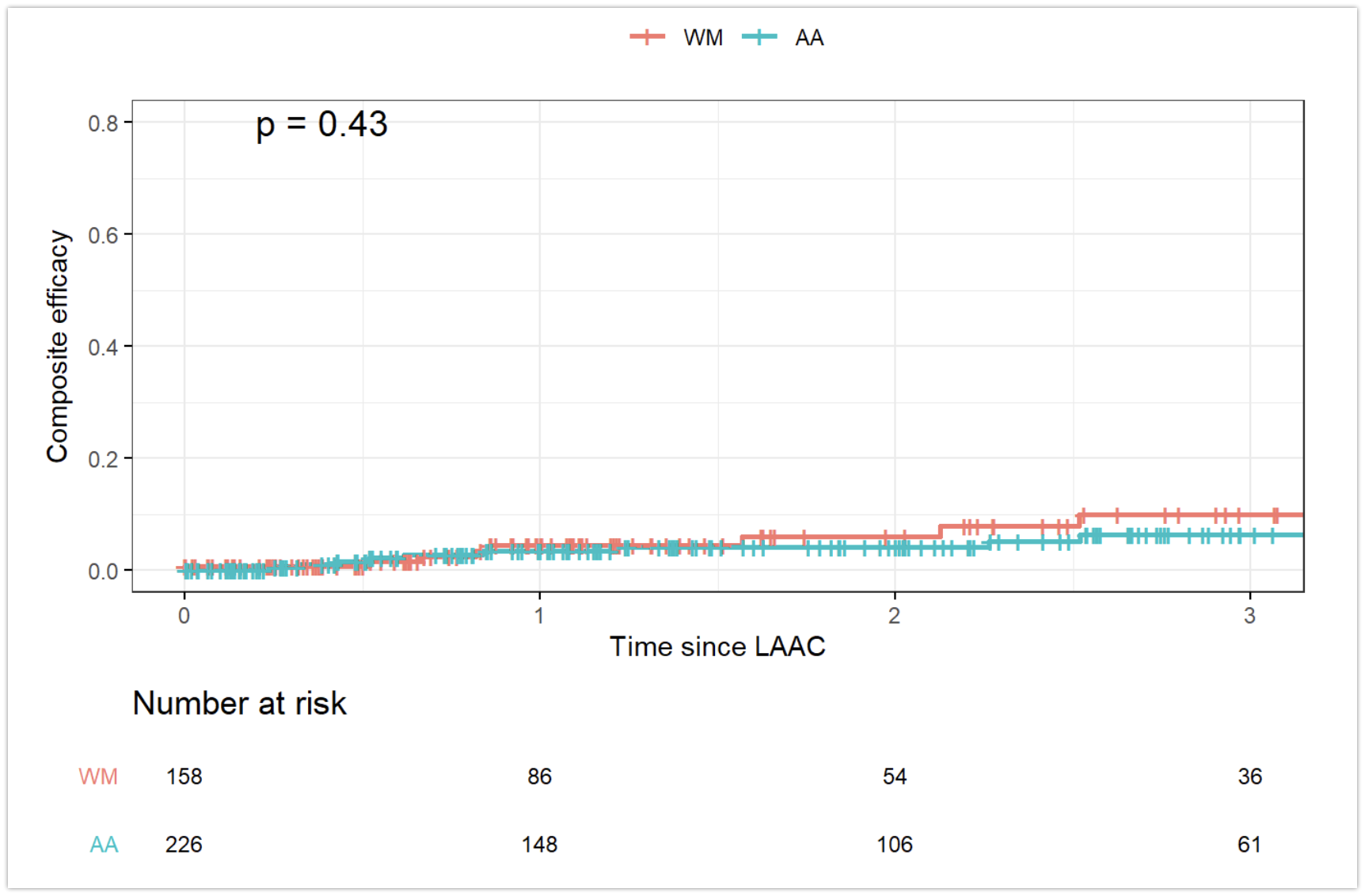
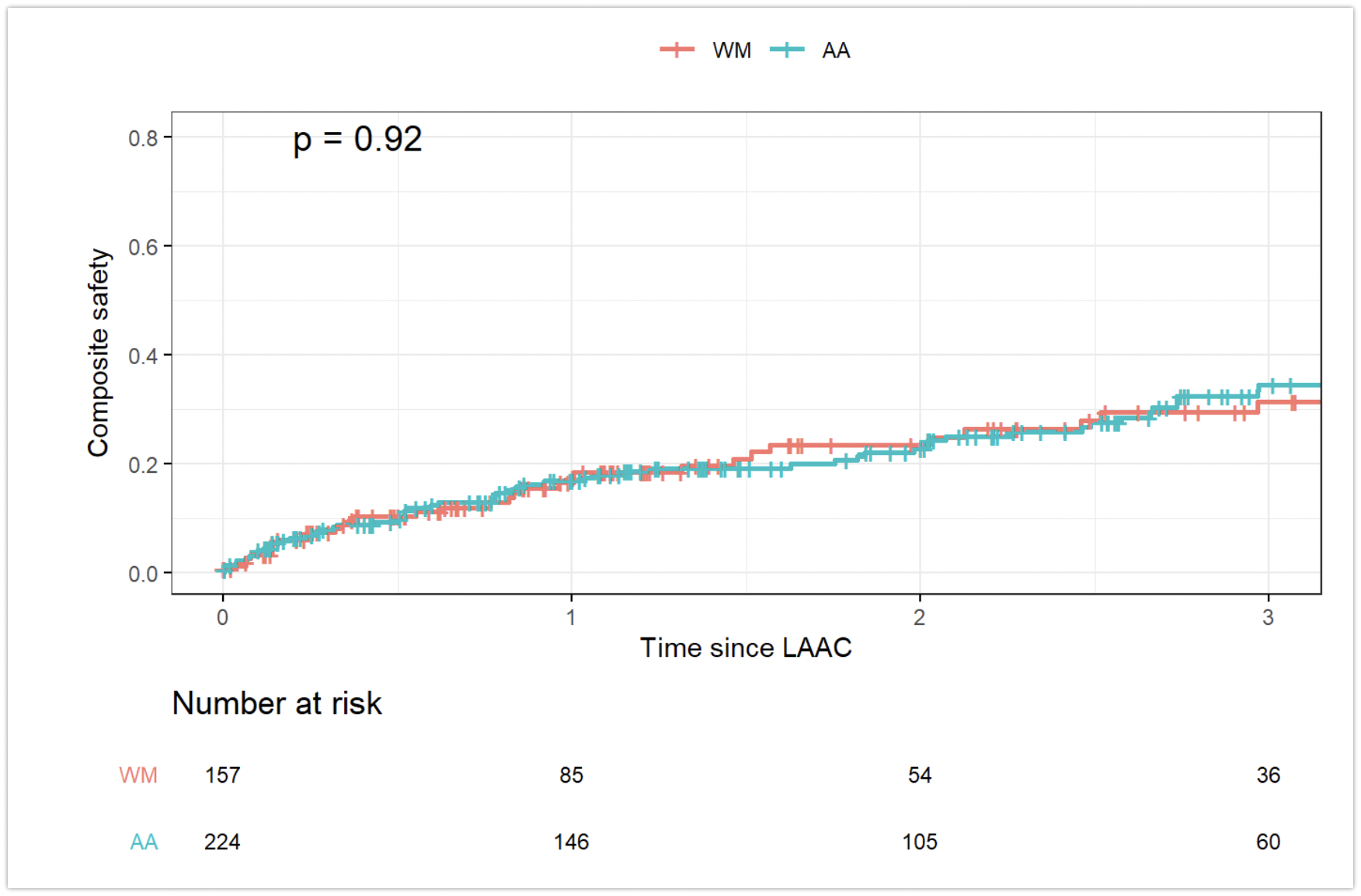
Results: A total of 407 consecutive patients with AF who underwent LAAC using the AA (239) and WM (168) devices were included. 44 patients developed periprocedural complications (10.8%). The most common therapeutic regimen at discharge included dual antiplatelet therapy (DAPT) with aspirin and clopidogrel (72.7%). An initial follow-up was performed within an average of 55 days of the procedure. The primary efficacy outcome occurred in 5 patients (3%) in the WM group, and in 5 (2.1%) in the AA group (p=0.75). The primary safety outcome was observed in 33 patients (19.6%) in the WM group and 44 patients (18.4%) in the AA group (p=0.91). Periprocedural complication rate was similar (10.7% in WM, 10.9% in AA, p=0.79). In long-term follow-up there was no significant difference in mortality (p=0.92), hemorrhagic events (p=0.72) or stroke (p=0.43) between the groups.
Conclusions: In this data, which represents LAAC using both the AA and WM platforms, both platforms were effective in long term prevention of ischemic stroke/systemic embolism. Future efforts should focus on minimizing periprocedural complications and controlling the residual risk of bleeding.
israelheart@ortra.com מייל לשאלות
