
Impact of Immigration on Short- and Long-term Outcomes Following Acute Decompensated Heart Failure: A Retrospective Cohort Study
Aims:
To investigate the impact of immigration status on short- and long-term outcomes in patients hospitalized with acute decompensated heart failure (ADHF).
Methods:
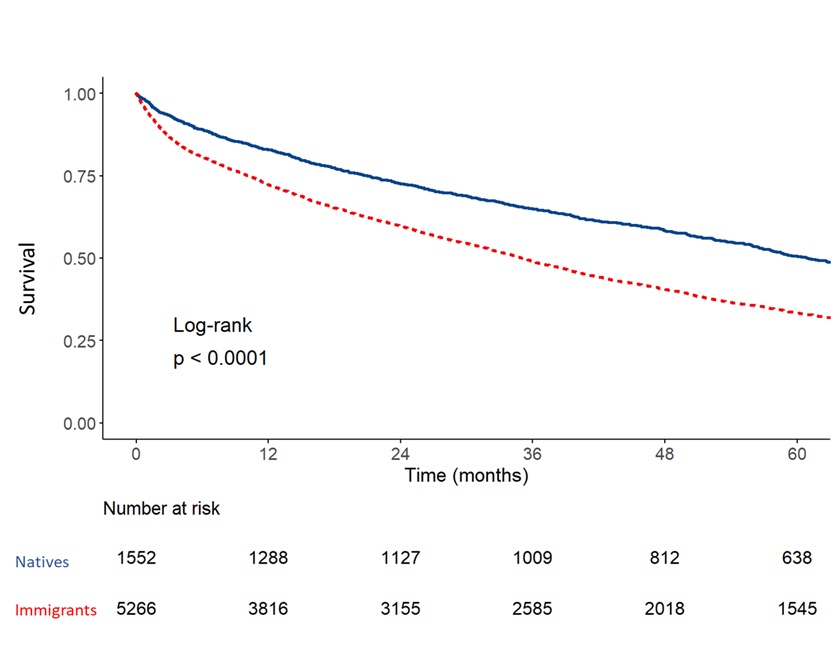
We conducted a retrospective cohort study at a single center, analyzing 7,457 patients admitted for ADHF between 2007 and 2017, with follow-up until 2020 (mean 3.7±3.5 years). Patients were categorized as immigrants (born abroad, 78.1%) or natives (born in Israel, 21.9%). Outcomes included in-hospital mortality, 30-day readmissions, 30-day mortality, 1-year mortality, and 5-year all-cause mortality. Kaplan–Meier survival curves and multivariable logistic and Cox regression analyses were used, adjusting for key covariates such as age, sex, and comorbidities.
Results:
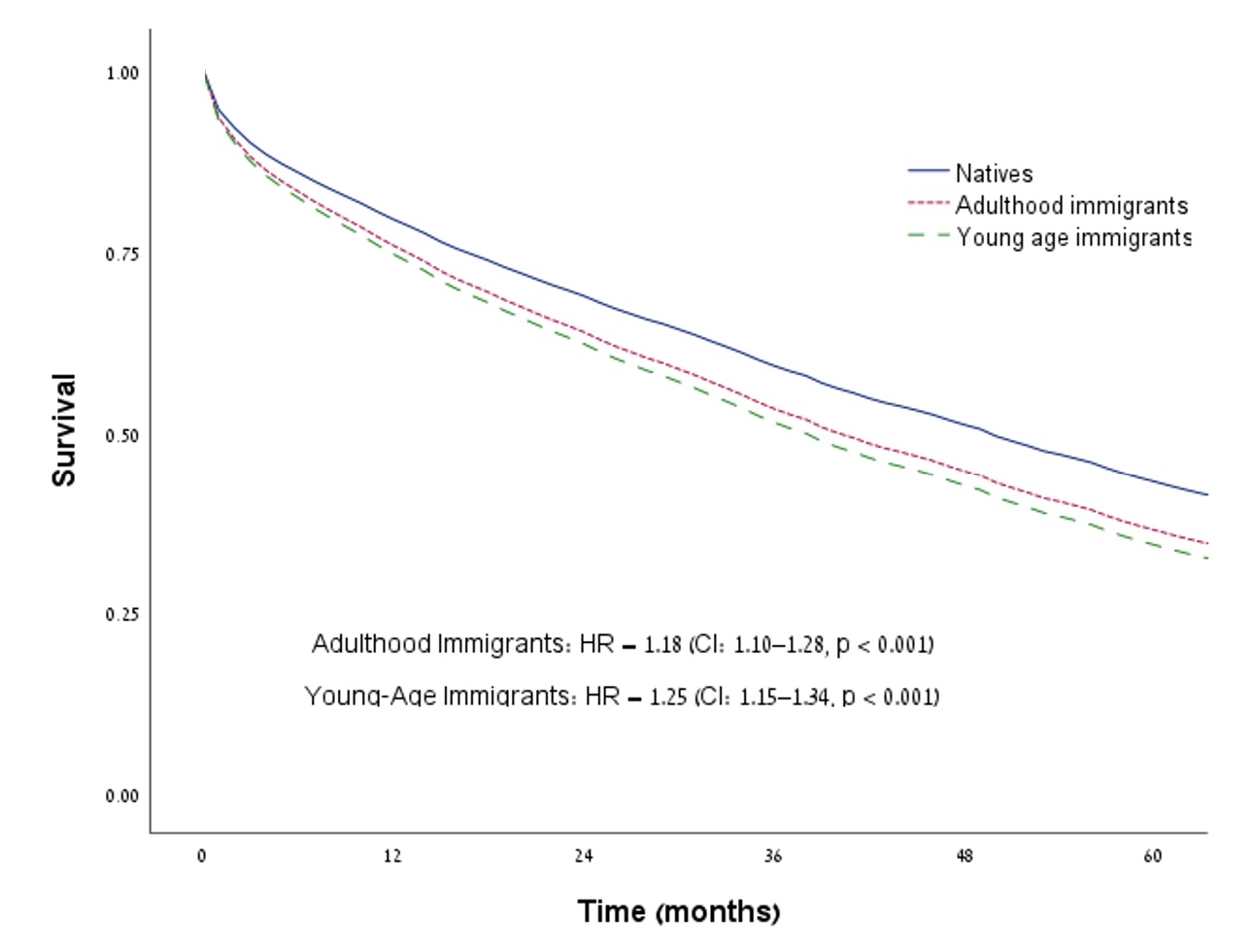
Immigrants were older than natives (79.0±10.1 vs. 70.8±13.8 years, p<0.001) and more likely to be female (53.2% vs. 45.0%, p<0.001). LVEF ≥50% was more prevalent among immigrants (53.3% vs. 47.1%, p=0.03). Immigrants had higher in-hospital (9.4% vs. 5.1%, p<0.001), 30-day (14.3% vs. 7.5%, p<0.001), and 1-year mortality rates (34.0% vs. 21.1%, p<0.001). Adjusted 5-year mortality was significantly higher in immigrants (HR 1.20, 95% CI 1.12–1.29, p<0.001). No differences were observed in 30-day readmission rates (21.2% vs. 22.0%, p=0.48). Stratification by immigration age revealed no significant differences in 5-year mortality between adulthood and early-life immigrants (HR 1.06, 95% CI 0.96–1.17).
Conclusions:
Immigration status independently predicts worse short- and long-term outcomes in ADHF patients. The findings highlight the need for tailored healthcare policies to address disparities and improve outcomes in immigrant populations.
israelheart@ortra.com מייל לשאלות
