
When Stabilizing the Rhythm Destabilizes the Patient- Cardioversion in the Failing Heart
Background: Current guidelines recommend immediate termination of hemodynamically stable or unstable ventricular arrhythmias via cardioversion to restore sinus rhythm (SR). For supra-ventricular arrhythmias such as atrial fibrillation (AF), immediate cardioversion is recommended in case of hemodynamic instability, or recent onset AF. Initial urgent echocardiographic assessment is not routinely recommend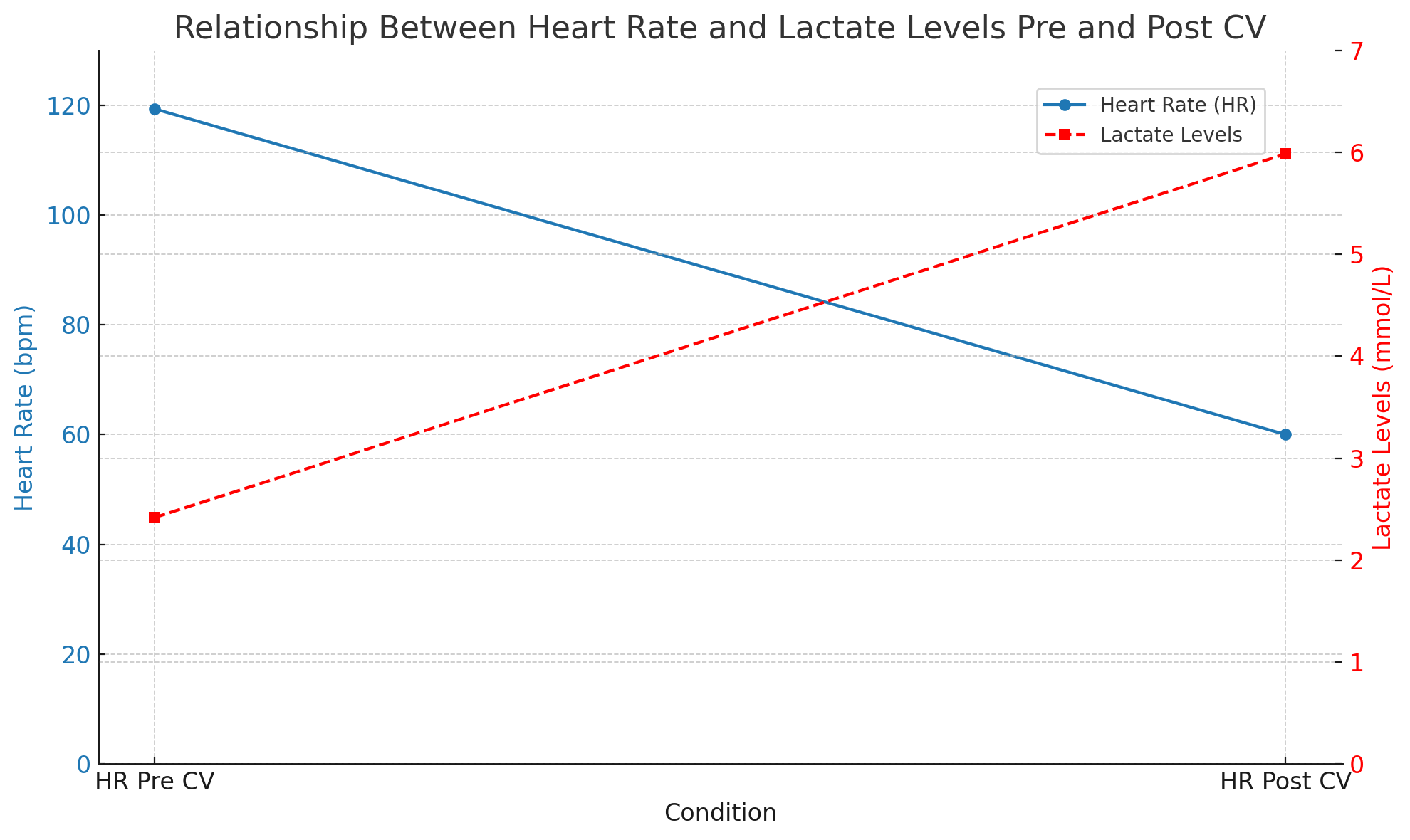 ed. However, in patients with reduced ejection fraction (rEF), converting rapid arrhythmias to a significantly slower SR may have detrimental effects. The sudden heart rate slowing following cardioversion may reduce the cardiac output of failing ventricles, potentially leading to cardiogenic shock (CS).
Methods: We studied consecutive patients presenting to the Tel Aviv Sourasky Medical Center (2020-2024), who underwent cardioversion for ventricular or supraventricular tachycardia (VT/SVT) and subsequently developed heart failure or CS. We classified these patients using the Society for Cardiovascular Angiography and Interventions (SCAI) criteria and evaluated their treatment and survival.
Results: We report nine patients (seven males, aged 69.9+13.7 years) hemodynamically stable during tachycardia who deteriorated following cardioversion. All presented with rEF according to initial assessment. Four had sustained VT, 4 had had SVT, and one had wide-QRS tachycardia of uncertain etiology. The mean heart rate was 119.3±24.9 beats per minute. All were cardioverted to sinus rhythm to a mean heart rate of 60±11.3 beats per minute. Eight patients immediately developed CS SCAI C-E requiring inotropic and chronotropic support. One developed pulmonary edema. Three patients (33.3%) died several hours postcardioversion from intractable CS.
Conclusion: Cardioversion of hemodynamically stable sustained tachyarrhythmias in patients with rEF may result in unexpected CS, likely due to an abrupt decline in heart rate and consequent reduction in cardiac output. These findings highlight the importance of performing a focused bedside echocardiogram during tachycardia and prepare for potential post-cardioversion complications. Prompt intervention with inotropes, mechanical circulatory support, or temporary pacing may be critical in preventing adverse outcomes.
israelheart@ortra.com מייל לשאלות
