
Mildly elevated left ventricular outflow tract gradients are associated with increased short-term mortality in inpatients without septal hypertrophy
Background: Left ventricular outflow tract (LVOT) obstruction is influenced by anatomical and physiological factors. While extensively studied in hypertrophic cardiomyopathy (HCM), the significance of elevated LVOT gradients (LVOTG) in patients without septal hypertrophy remains poorly understood, particularly in the acute inpatient setting.
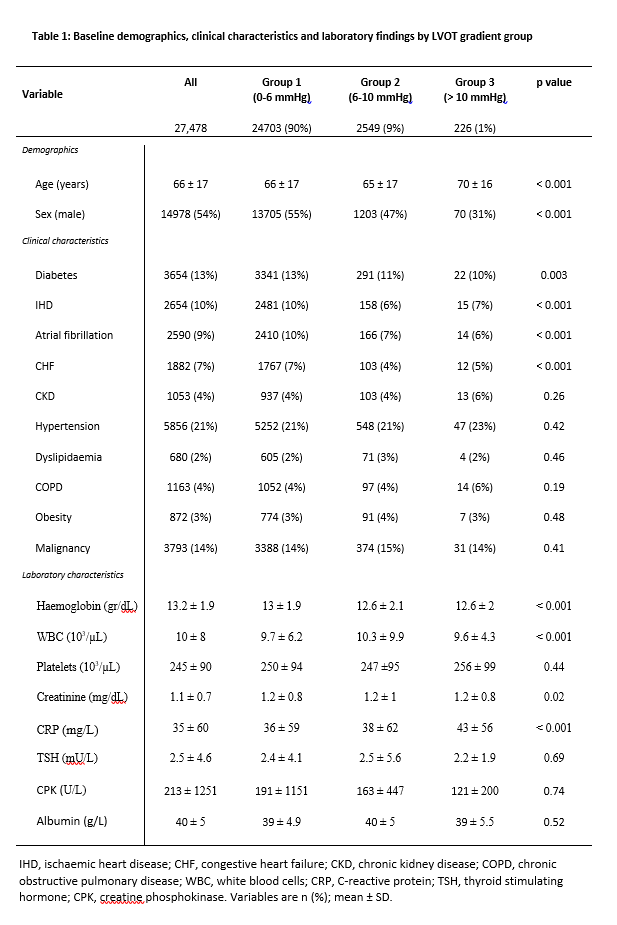
Methods: We conducted a retrospective observational study, analyzing a cohort of 27,478 inpatients without septal hypertrophy. We assessed the association between LVOTG and short-term mortality using a multivariate logistic regression model that included echocardiographic, clinical, and laboratory findings. The cohort was then divided into three groups based on LVOTG levels: 0-6 mmHg, 6-10 mmHg, and >10 mmHg, and the same model was applied to compare these groups.
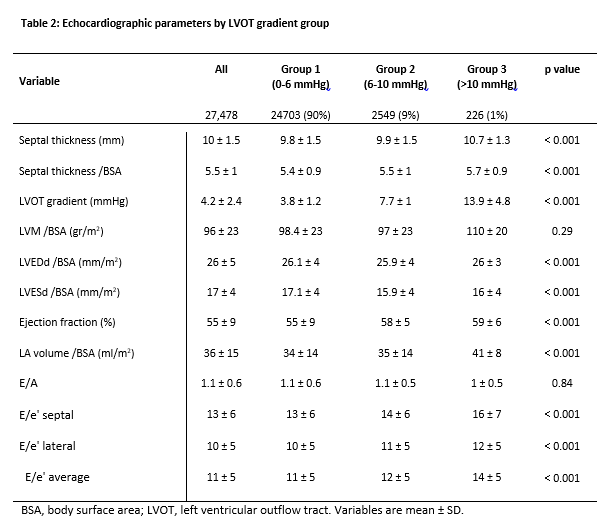
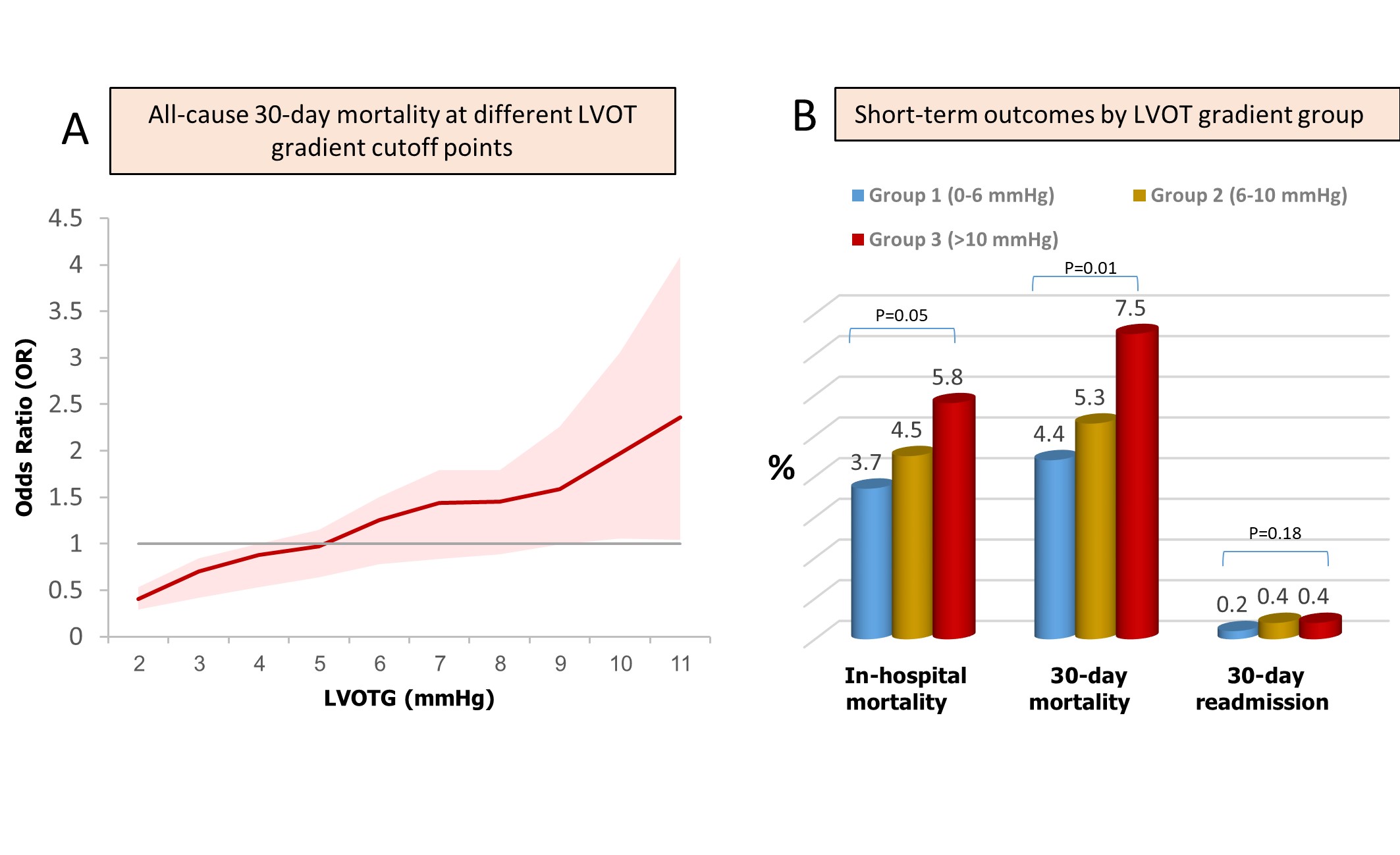
Results: Mild elevation in LVOTG (≥ 6 mmHg) was observed in 10.1% of the cohort and was associated with increased in-hospital and 30-day mortality rates compared to those with LVOTG < 6 mmHg. Patients in the highest LVOTG group (>10 mmHg) experienced the worst outcomes, with an odds ratio (OR) for short-term mortality of 2.5 (95% CI: 1.41-4.26, p = 0.01). The OR for mortality in the 6-10 mmHg group was 1.4 (95% CI: 1.07-1.7, p = 0.01). Elevated LVOTG was linked to increased septal thickness, smaller left ventricular size, higher C-reactive protein levels, lower hemoglobin levels, and increased ejection fraction, indicating a complex interplay of structural and physiological factors.
Conclusion: In hospitalized patients without septal hypertrophy, a mild elevation in LVOTG is an independent prognostic marker for short-term mortality.
israelheart@ortra.com מייל לשאלות
