Transosseous Arterial Embolization during Percutaneous Sclerotherapy of a Sacral Aneurysmal Bone Cyst in a Pediatric Patient
2Department of Radiology, Shaare Zedek Medical Center, Israel
Background:
Aneurysmal bone cysts (ABCs) are benign but locally aggressive osteolytic lesions primarily affecting children and adolescents. Sacral ABCs present therapeutic challenges because of their deep location, complex vascular supply, and proximity to critical neurovascular structures. Percutaneous sclerotherapy and transarterial embolization are minimally invasive treatment options that may be used alone or in combination.
Methods:
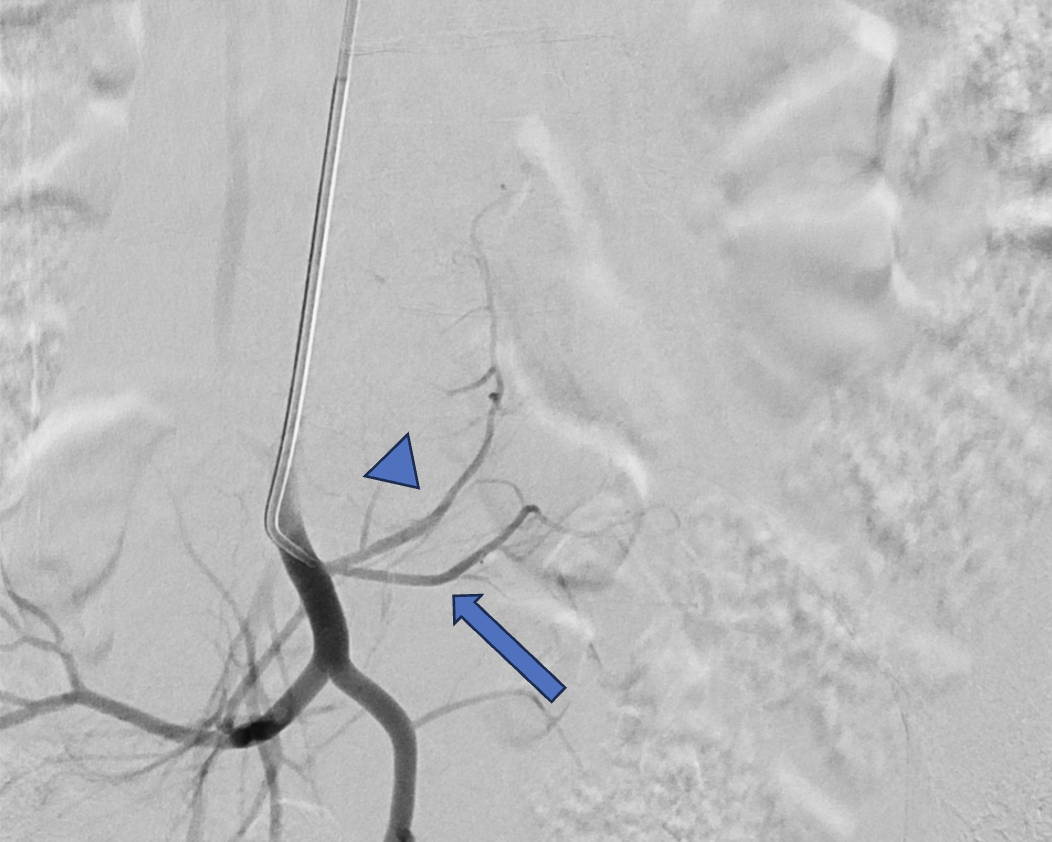
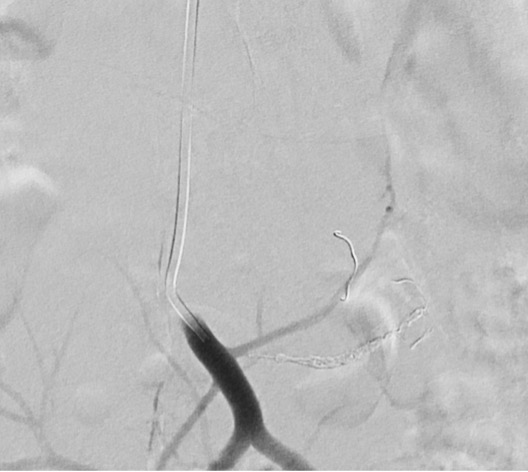
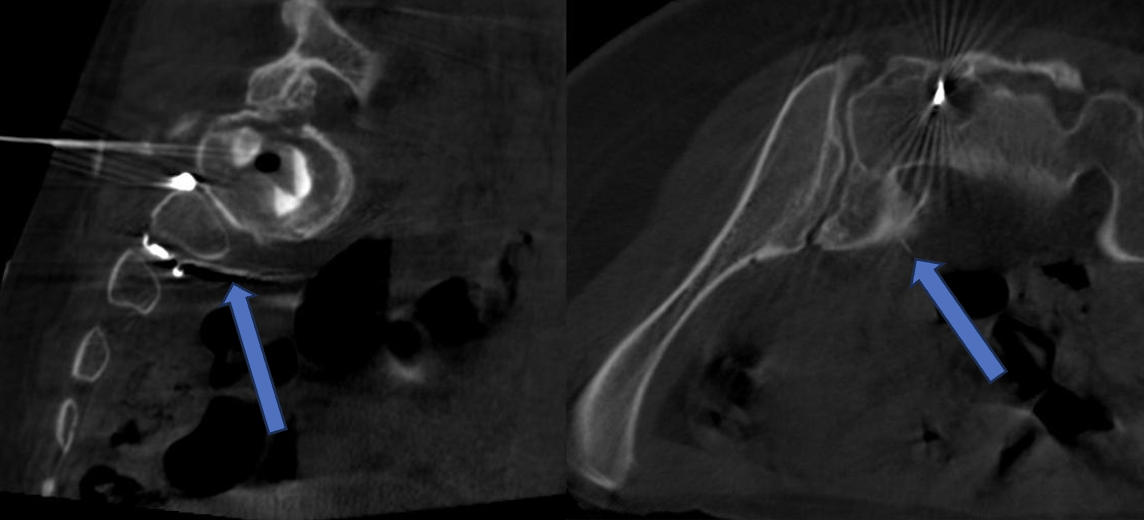
A 15-year-old girl with a sacral ABC underwent a planned second-stage combined transosseous doxycycline sclerotherapy and transarterial embolization. Under cone-beam computed tomography guidance, an 18-gauge spinal needle was advanced transosseously into a dominant cystic component. Unexpected arterial blood return prompted contrast injection, demonstrating inadvertent access to the distal left iliolumbar artery, which was the vessel planned for subsequent transarterial embolization.
Results:
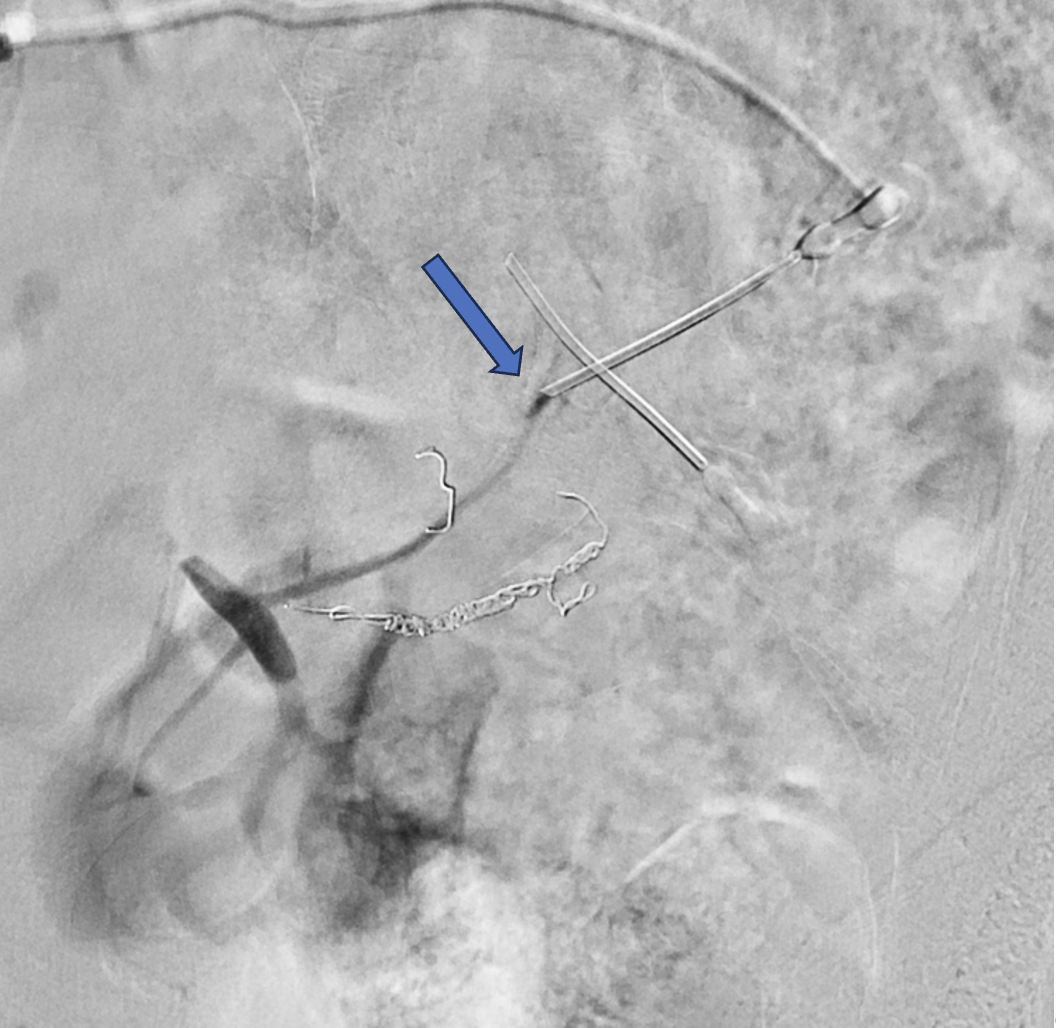
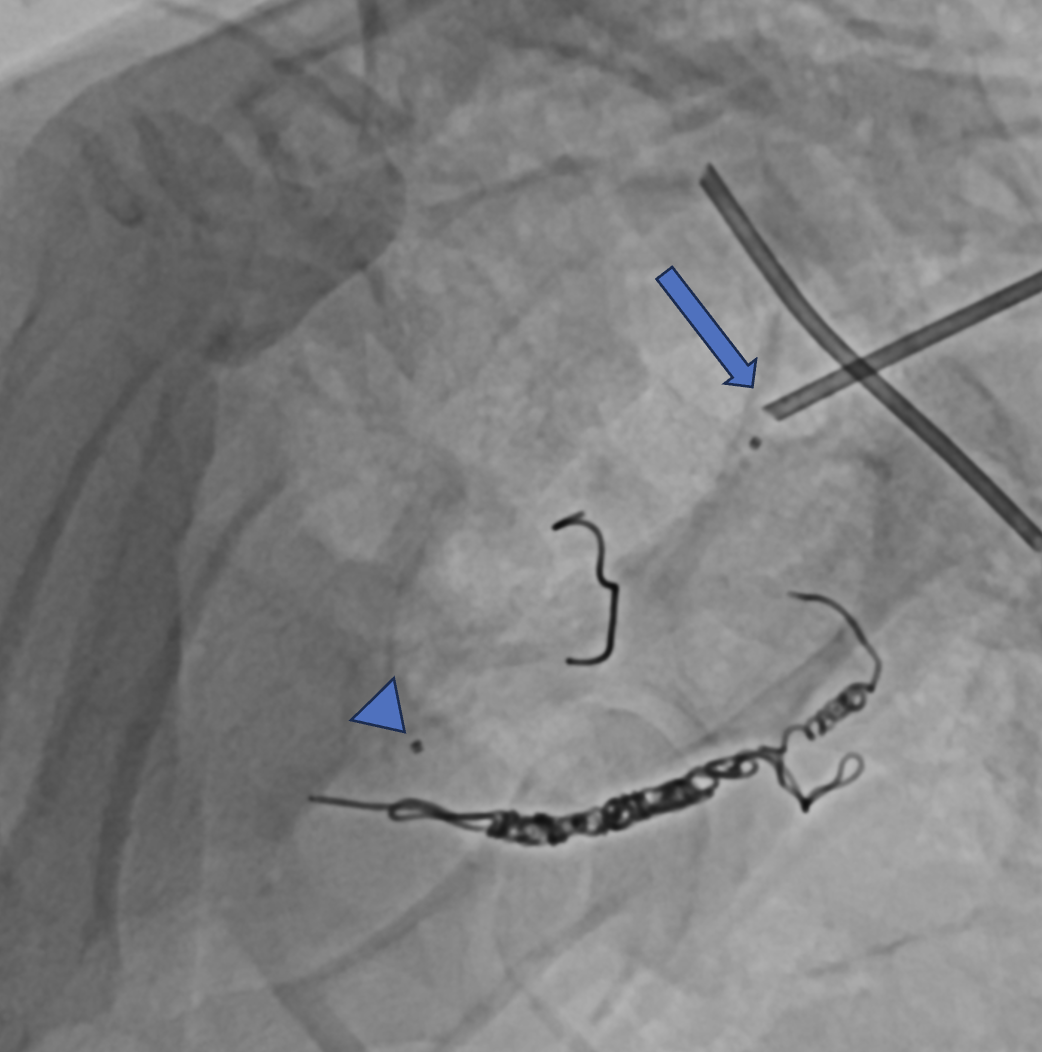
Rather than obtaining conventional femoral arterial access, the existing transosseous access was utilized therapeutically. A microcatheter was advanced coaxially through the needle into the iliolumbar artery under roadmap guidance. Embolization was performed with a liquid embolic agent, followed by coil deployment to occlude the access tract. A second needle was subsequently introduced into the ABC. Cystography confirmed absence of venous communication, and doxycycline-based foam sclerotherapy was performed. The procedure was completed successfully without conventional arterial access or immediate complications. The patient recovered uneventfully and was scheduled for magnetic resonance imaging follow-up at three months.
Conclusions:
Inadvertent arterial puncture during transosseous access is an uncommon procedural event that typically requires recognition and management as a complication. In this case, accidental access to the iliolumbar artery coincided with the intended embolization target and was successfully converted into a therapeutic transosseous arterial route. This case demonstrates the importance of prompt recognition of unexpected vascular access and procedural adaptability in interventional radiology, particularly when treating highly vascular lesions in anatomically challenging locations.